I ran a paragraph from a client proposal through WriteHuman, then tried again with simpler wording. Both versions turned a tentative delivery estimate into a firm commitment, which is frustrating when I’m just trying to clean up the phrasing. How do I keep the rewrite from changing what I’m actually promising?
So I kept the passages unchanged and ran the checks on October 2–3, 2026. My six English samples were four generated texts, a Lewis Carroll excerpt, and that excerpt lightly edited by AI, each 271–328 words. I counted completed results, not attempts that stalled.
Getting through the samples
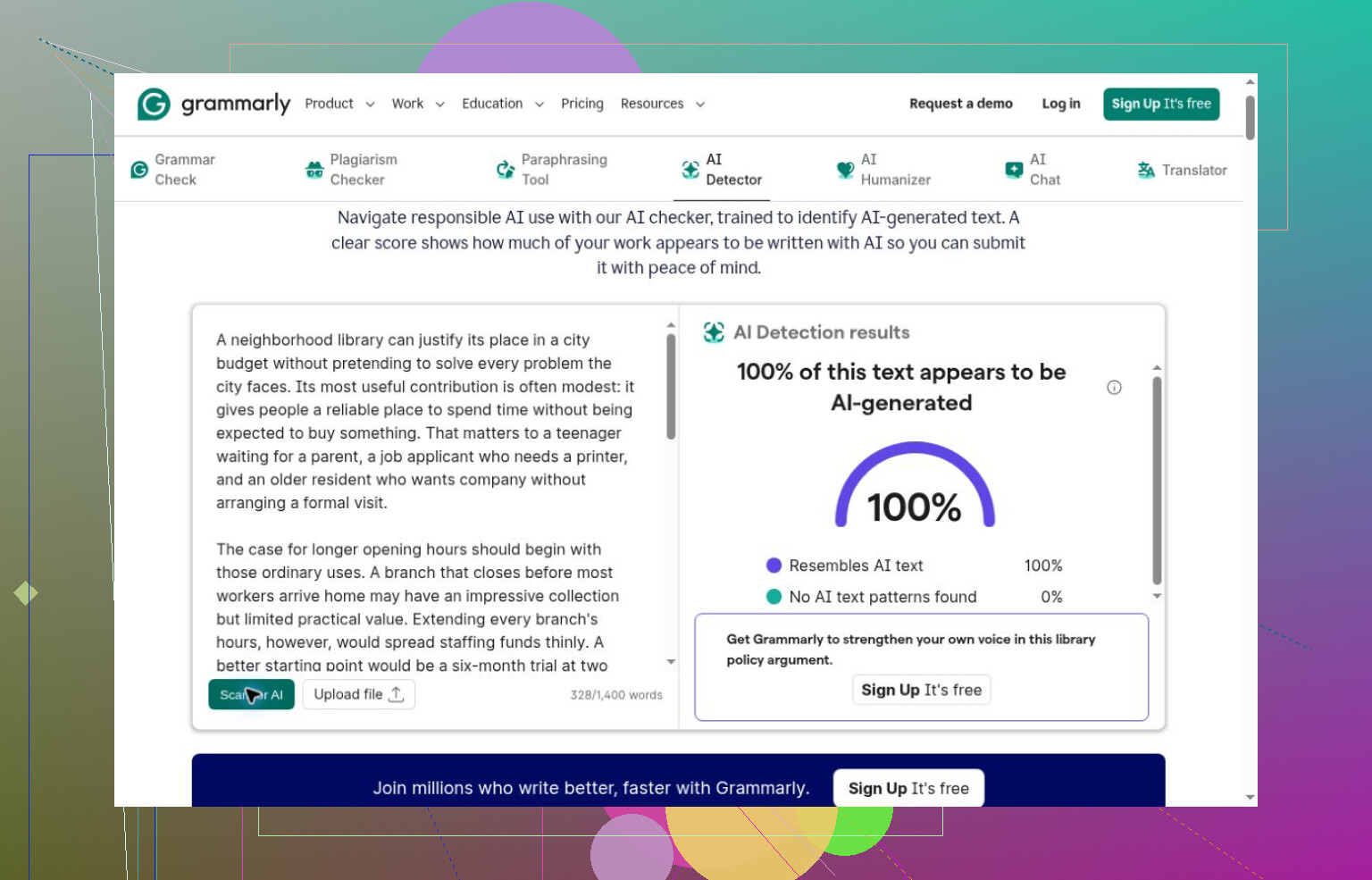
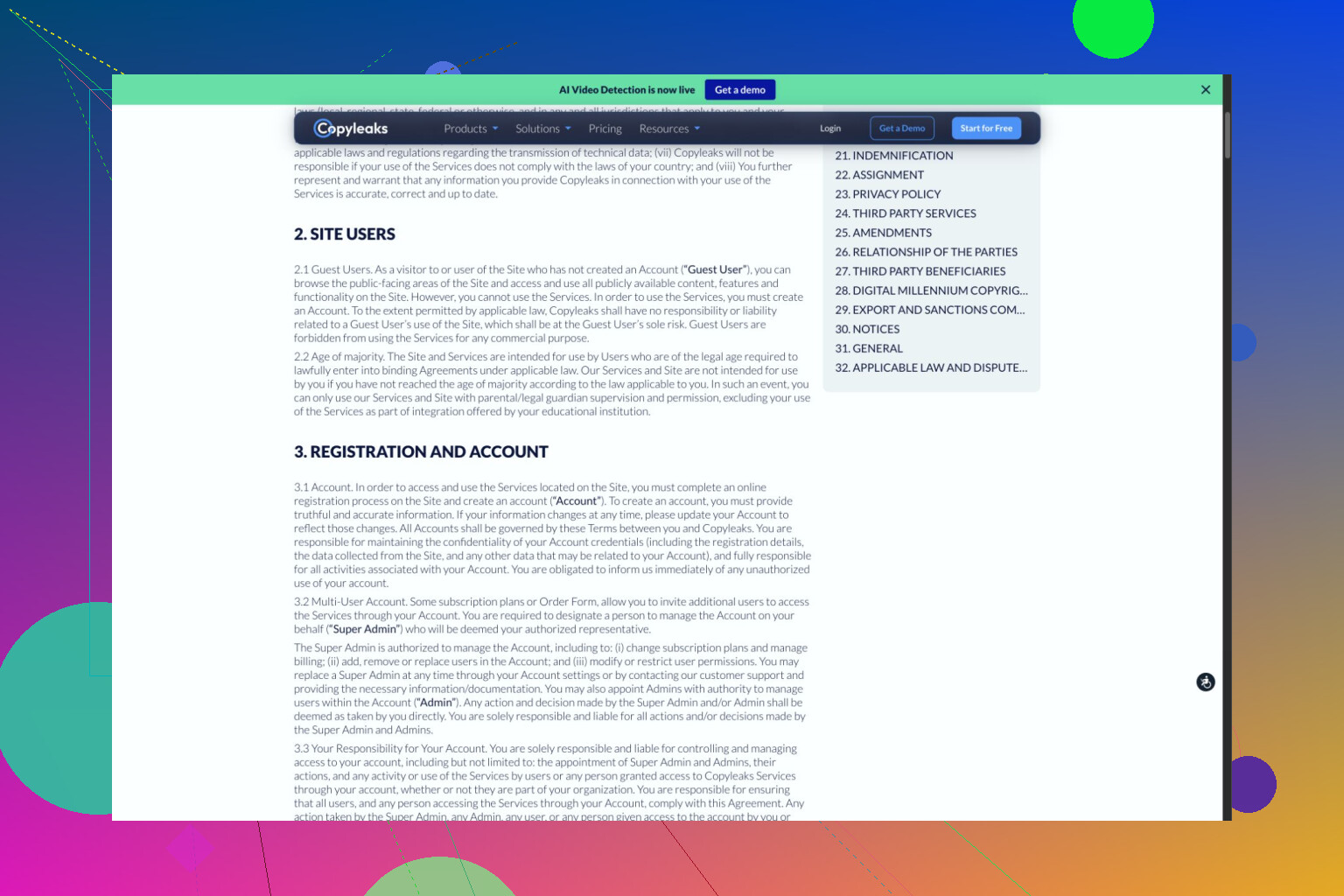
My first full run needed neither payment nor signup. The generated passages scored 89%, 84%, 82%, and 74%, with AI or Likely AI labels; both Carroll versions got Human 99%. That gave me useful detections, but no sign of the light editing, from Clever AI Detector.
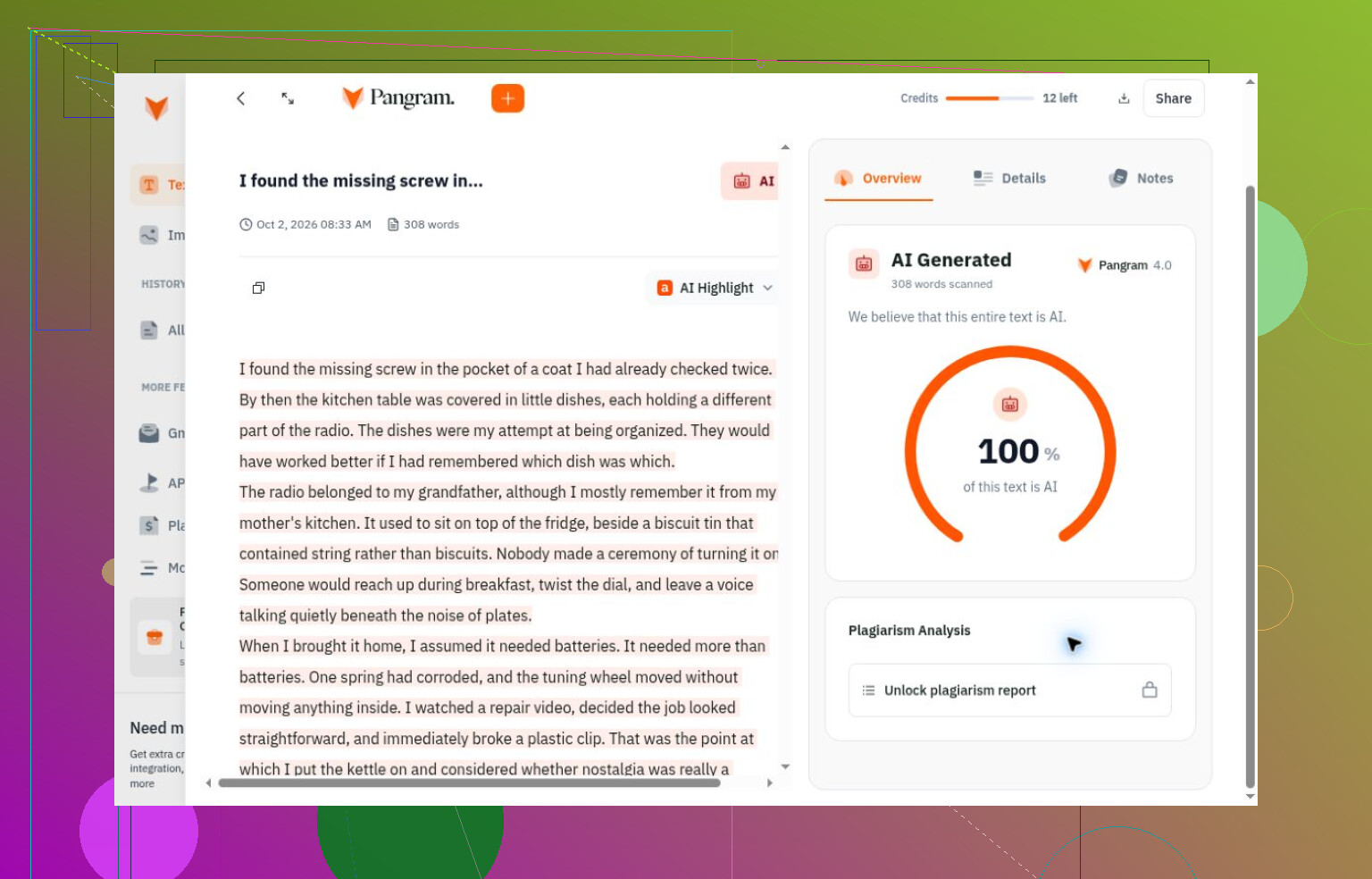
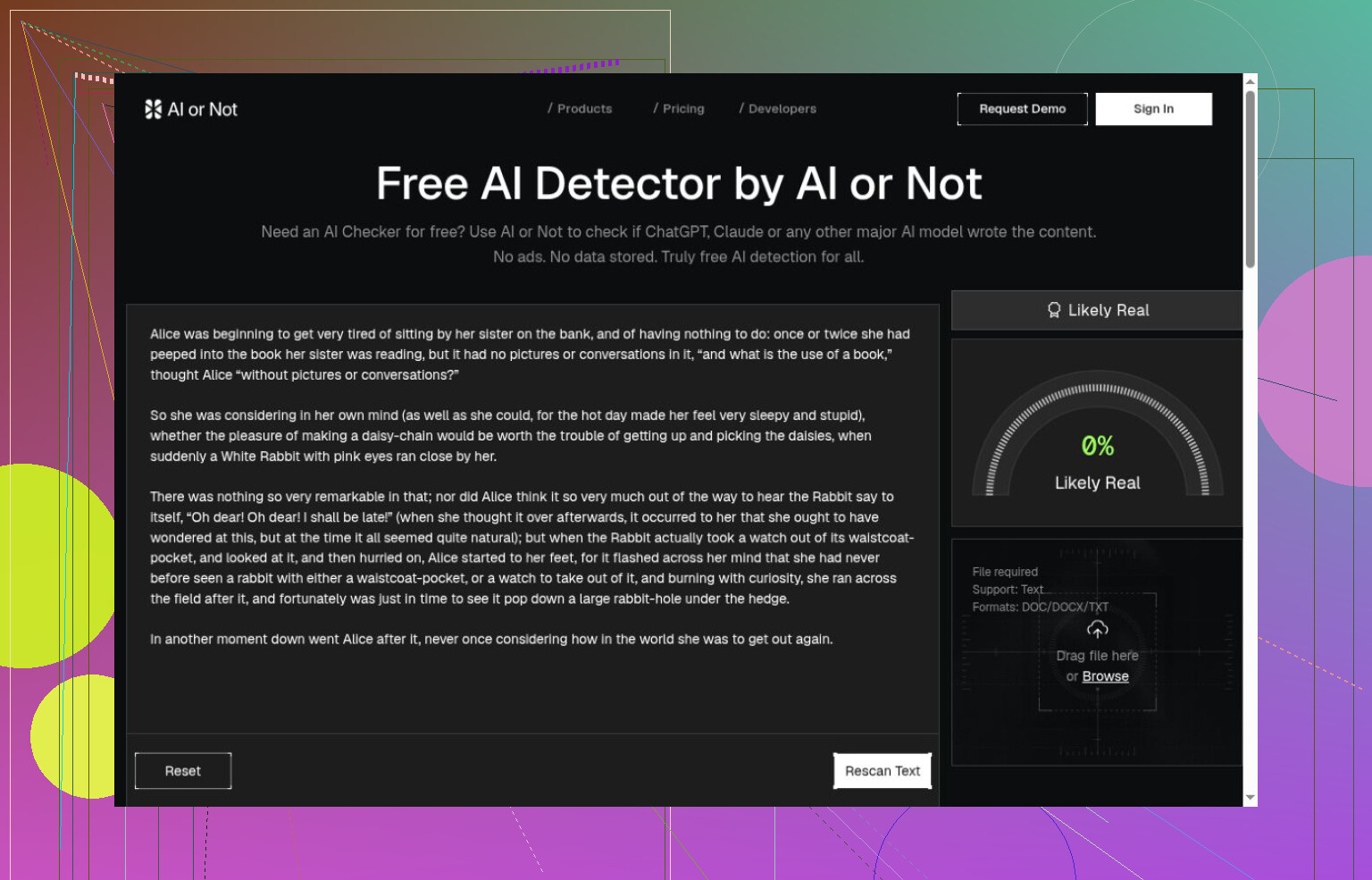
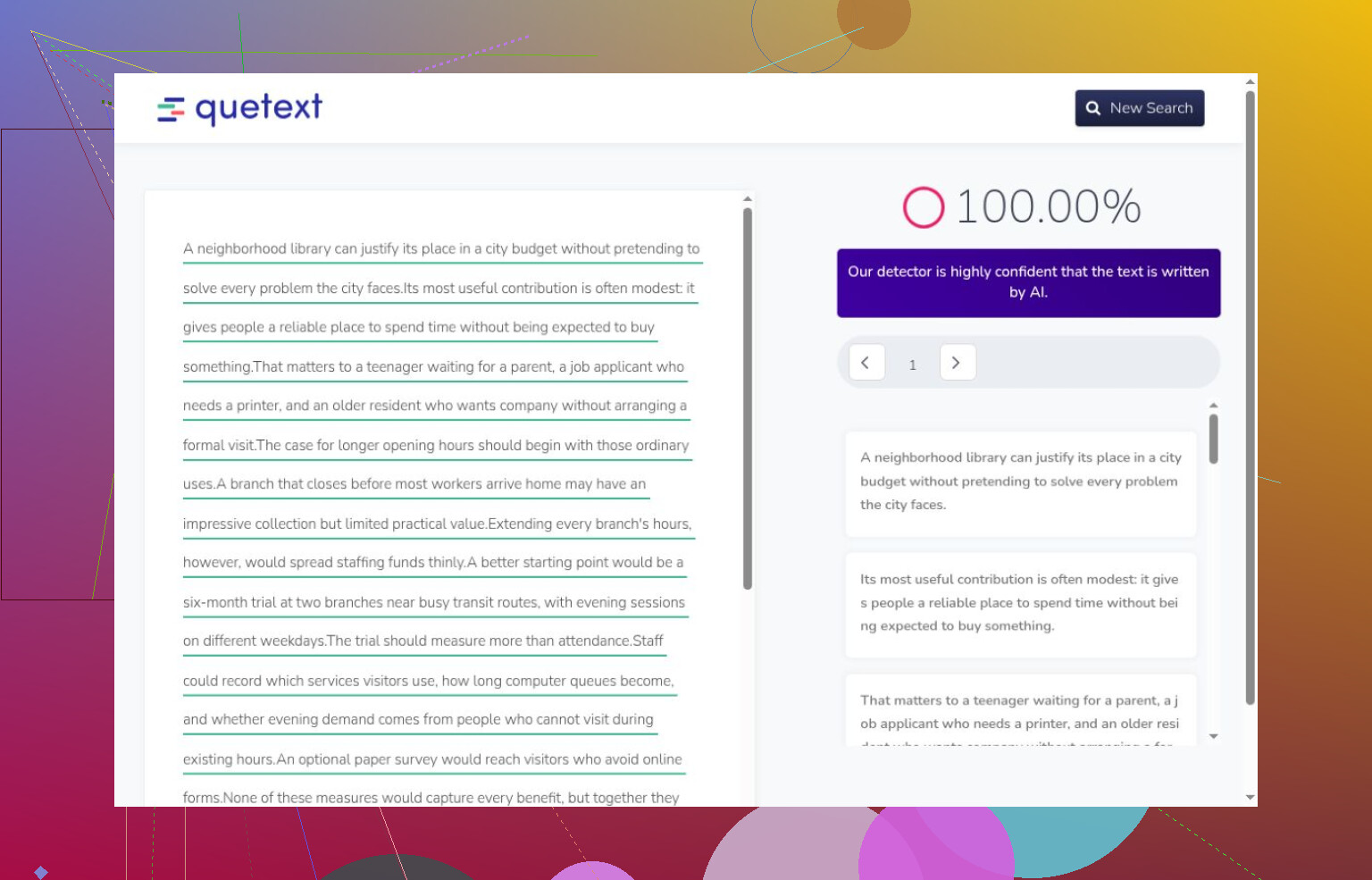
I hit narrower access elsewhere. Pangram stopped after five checks. Originality.ai finished three, correctly labeling the known AI and human samples with 100% confidence under my selected 15% AI Allowance. AI or Not also got its completed checks right. I couldn’t treat those confidence labels as percentages of generated words.
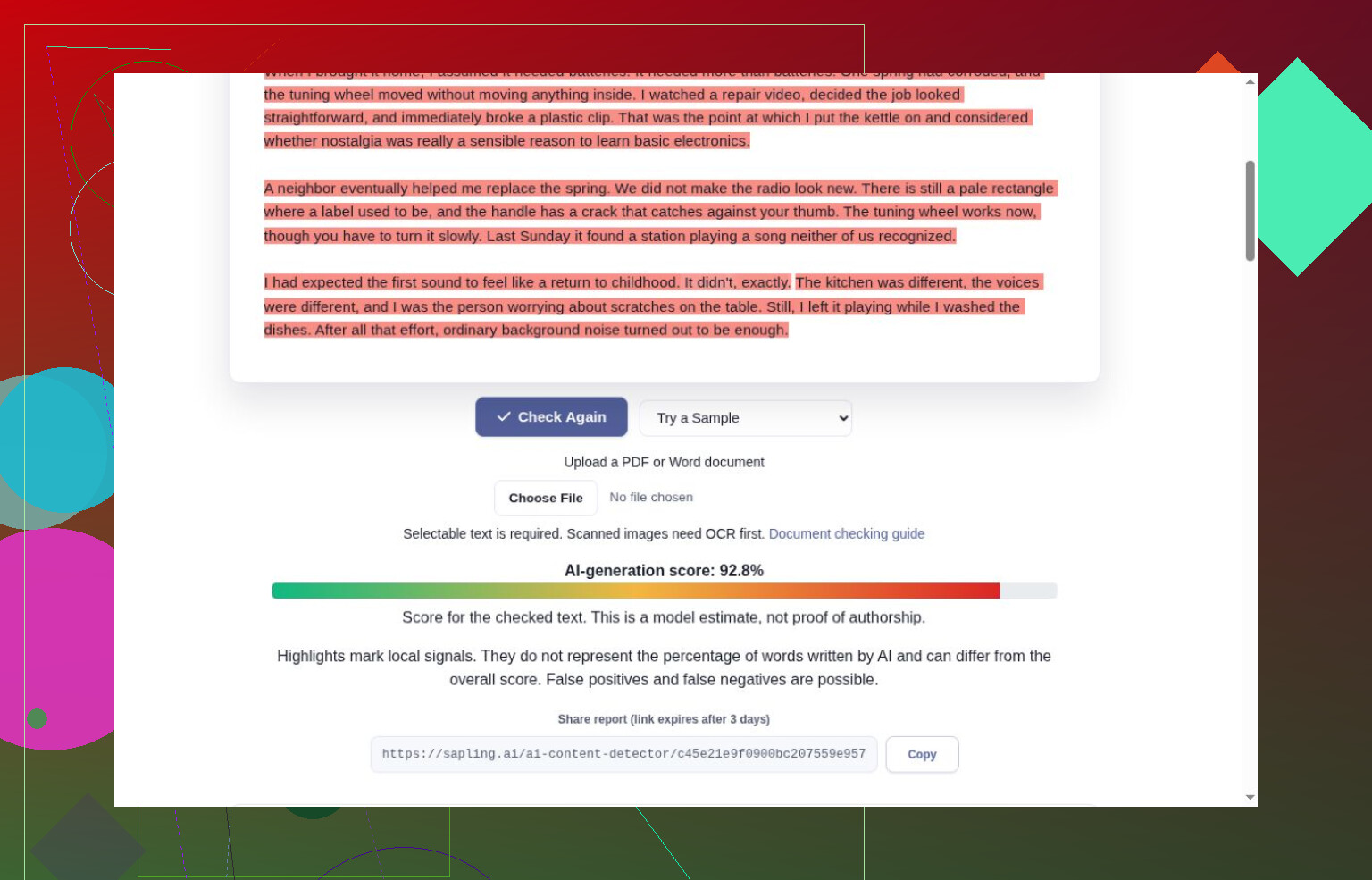
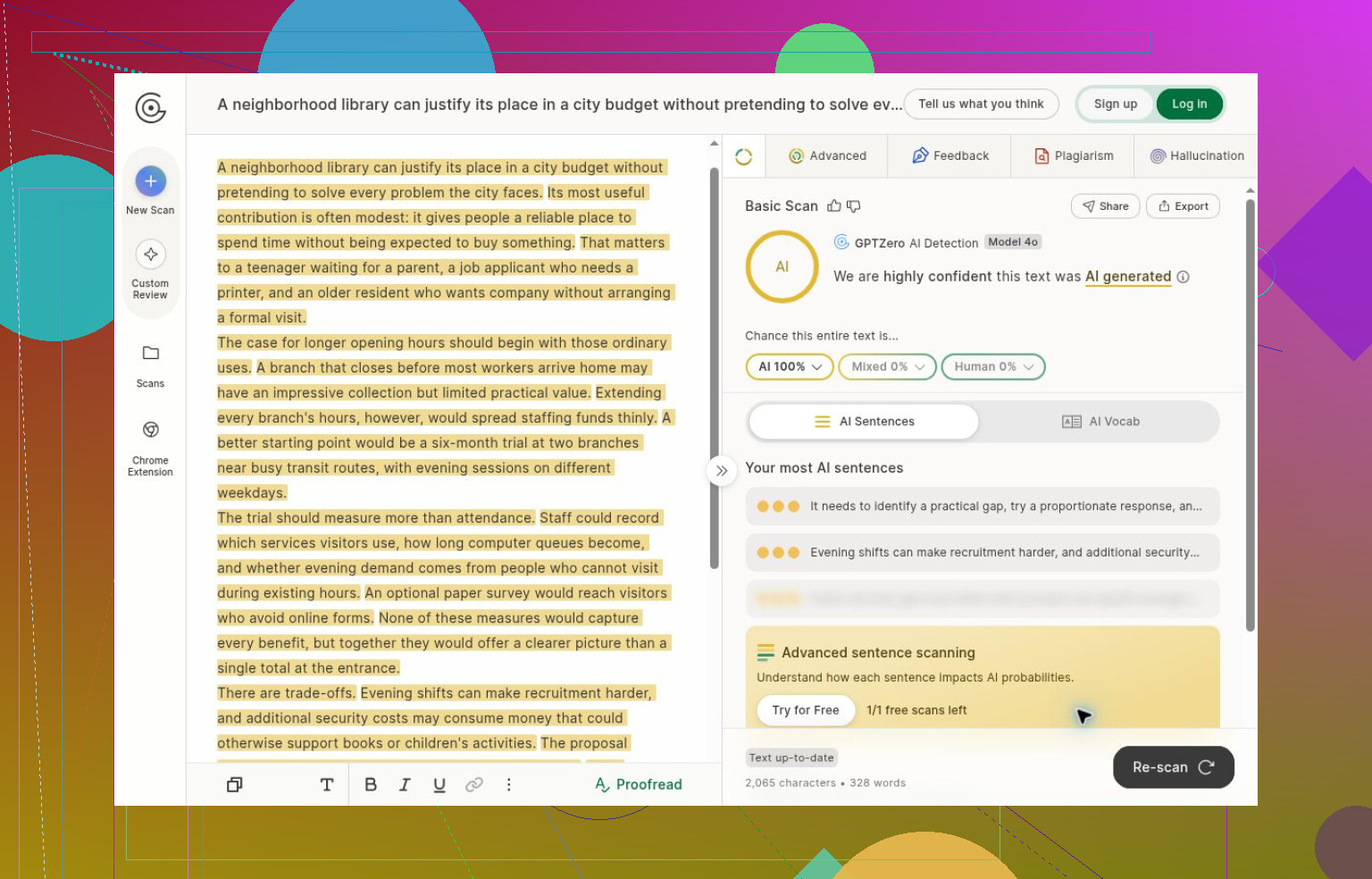
Sapling added another wrinkle: it checked only 2,000 of the essay’s 2,070 characters. With GPTZero, changing the input left an old score onscreen before signup blocked further checks. I didn’t count that as another detection.
Watching the controls fail
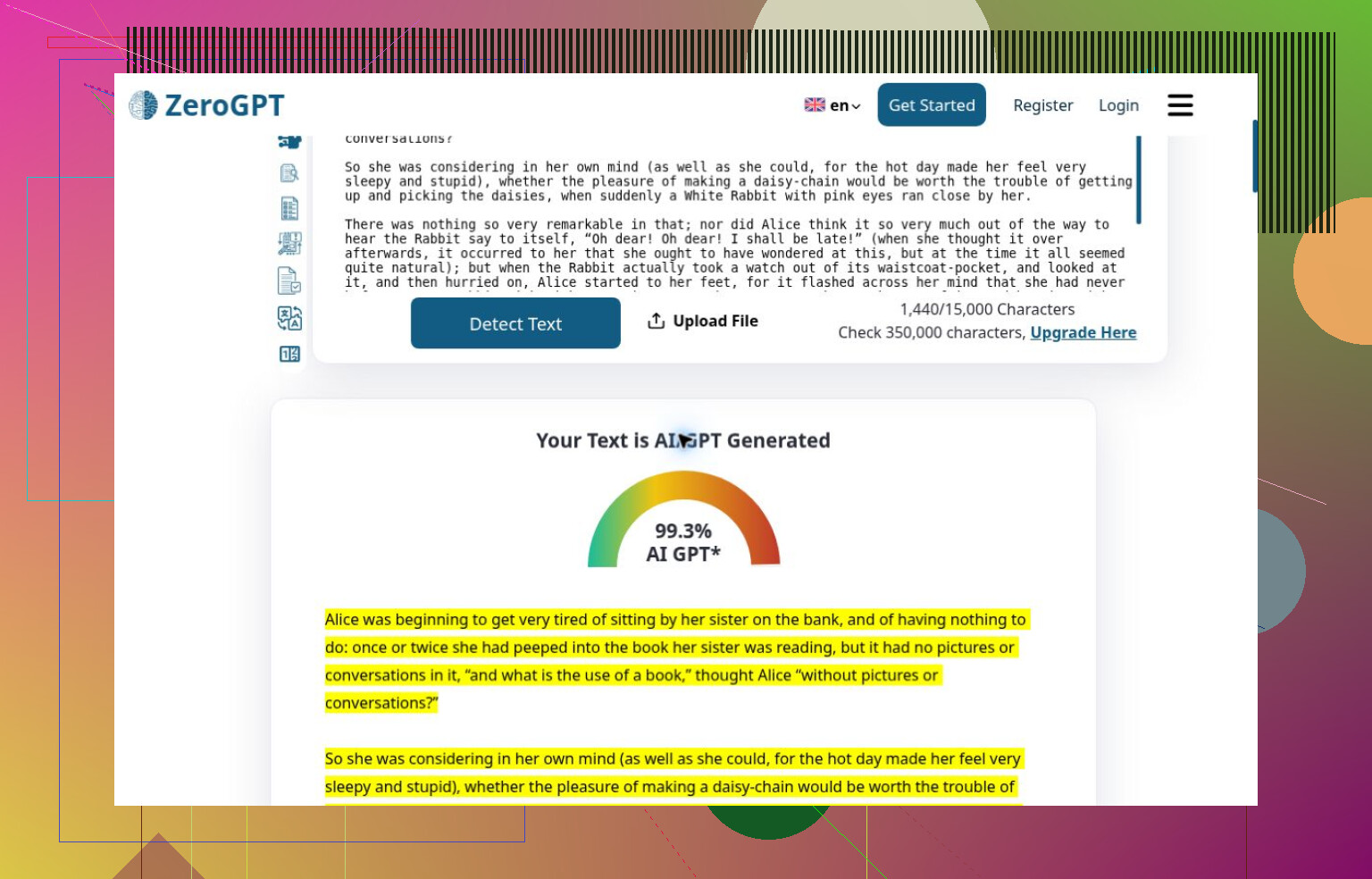
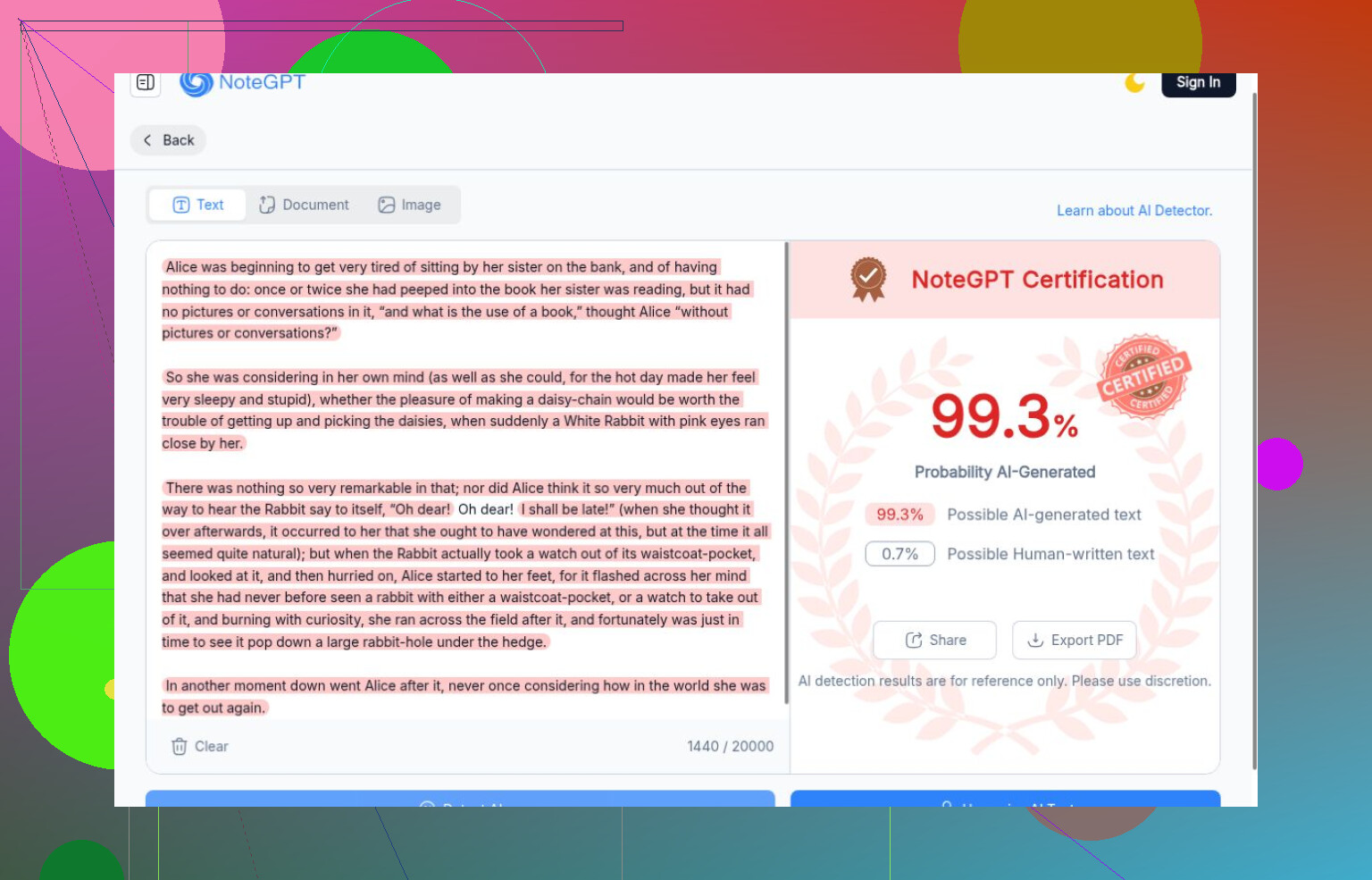
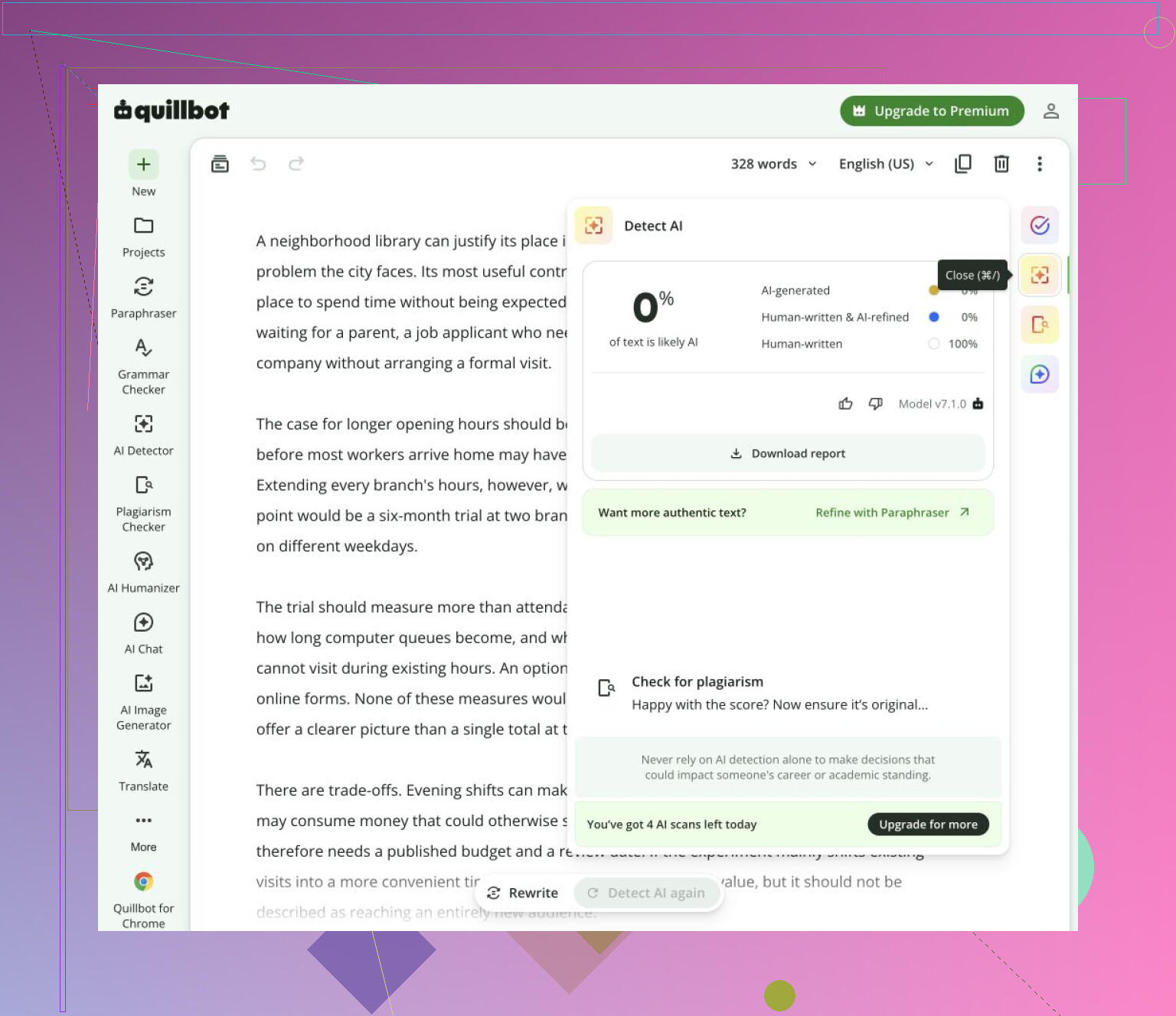
When I reached ZeroGPT, it caught the generated texts but called Carroll 99.3% AI. NoteGPT also gave the human excerpt its strongest AI score.
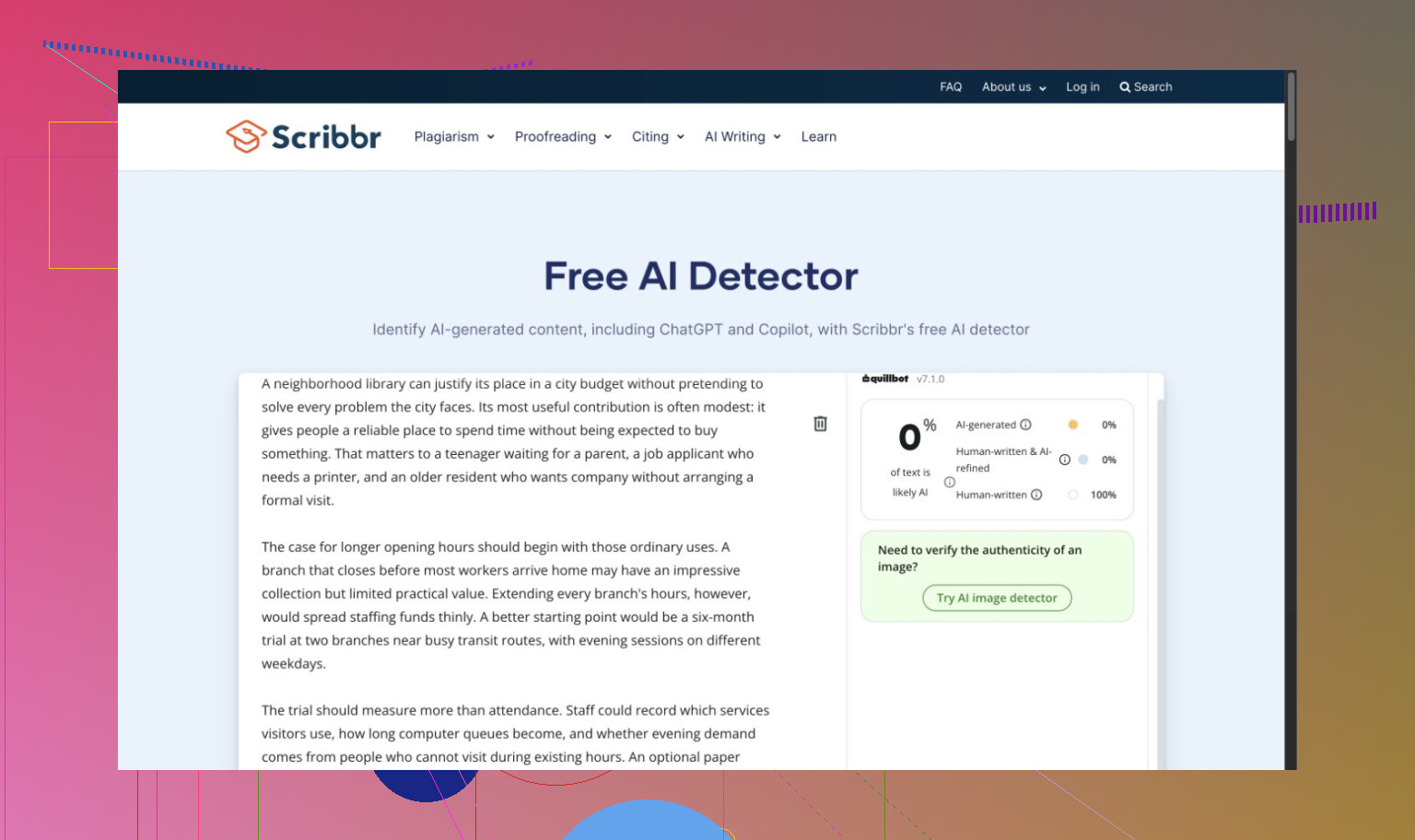
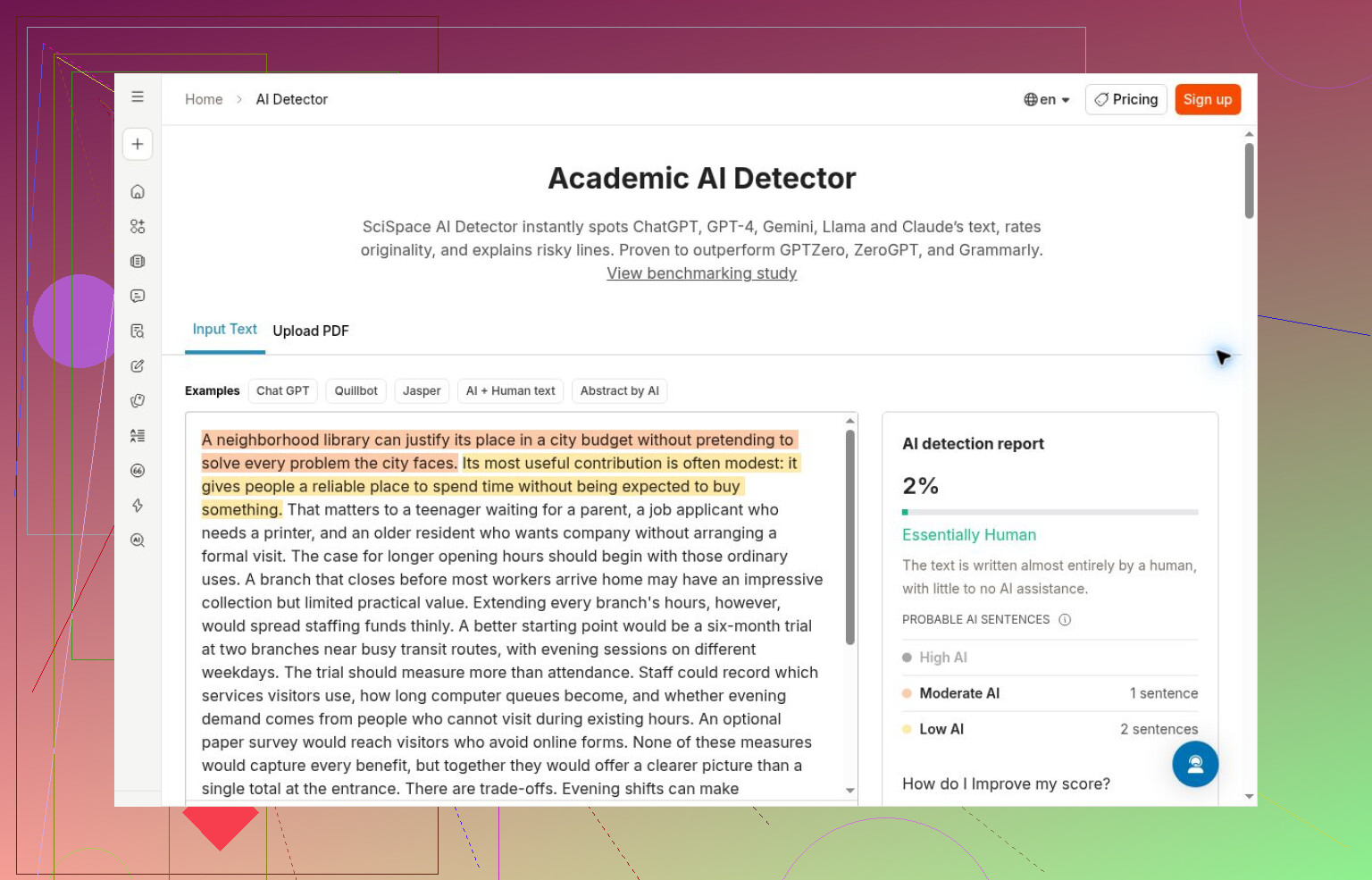
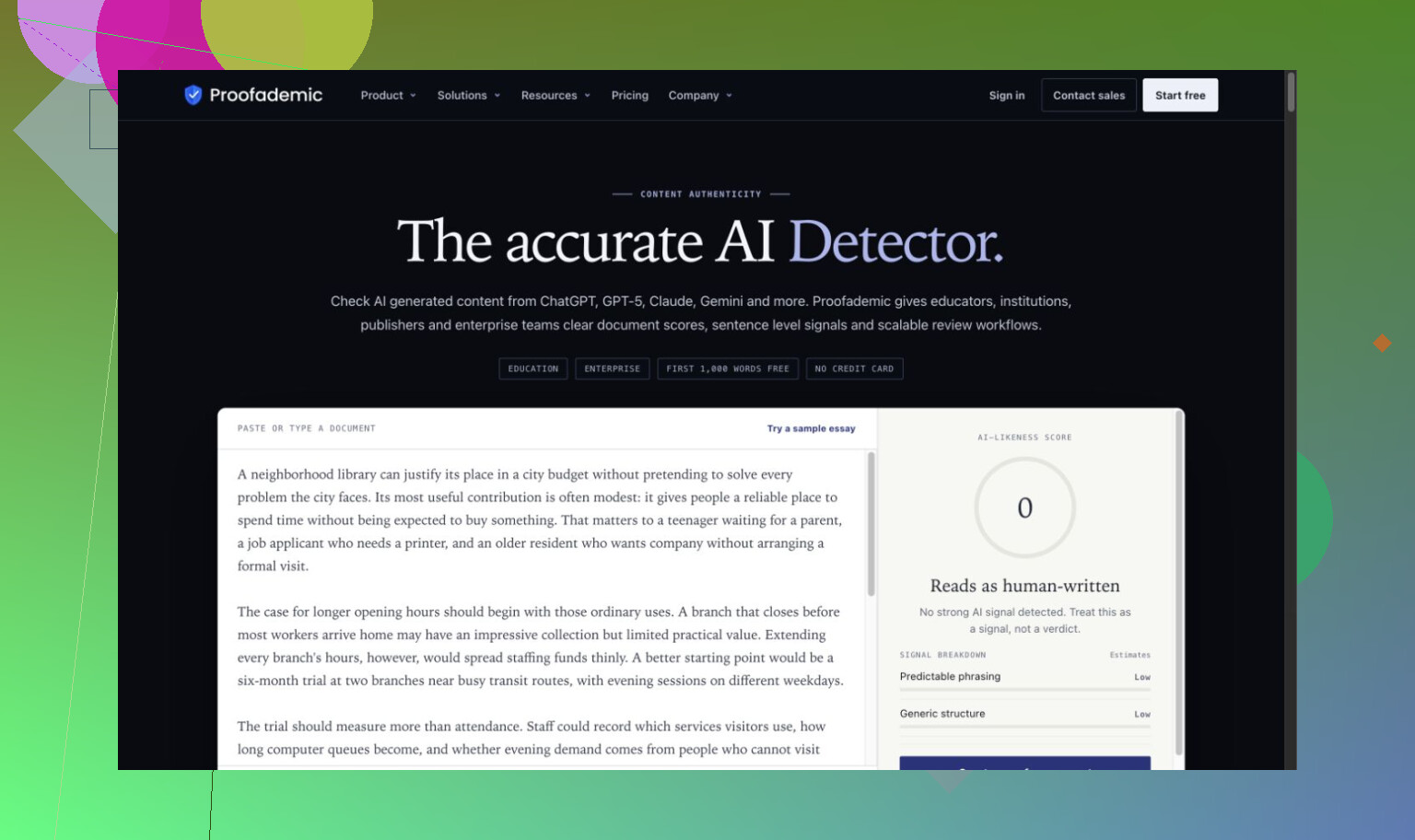
QuillBot went the other way, calling every generated passage 100% human-written. On my Scribbr follow-up, the essay and Carroll both received that label. SciSpace gave the generated essay 2% AI, while Proofademic’s public demo settled at 0/100 for both origins.
Leaving blanks unranked
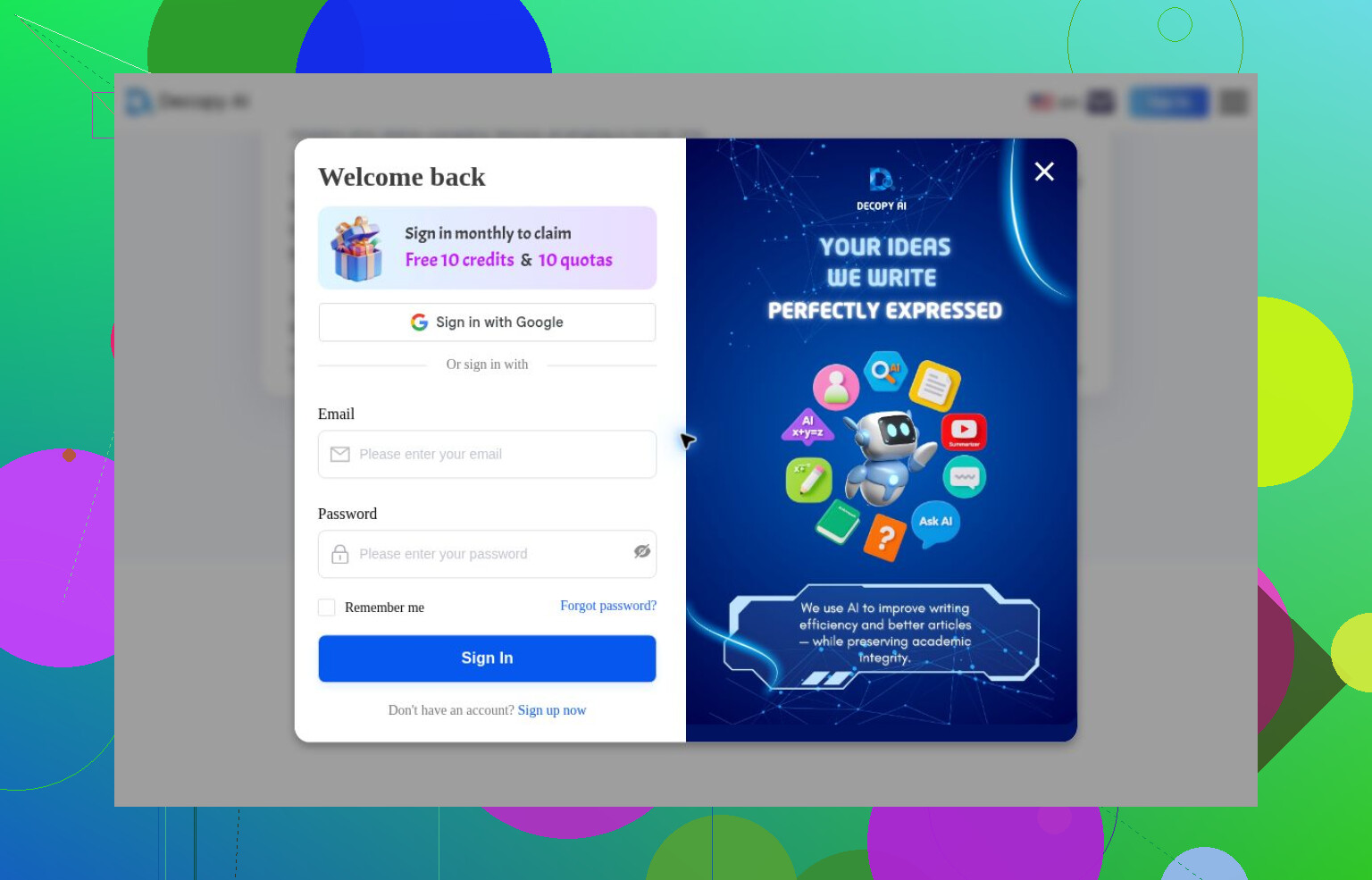
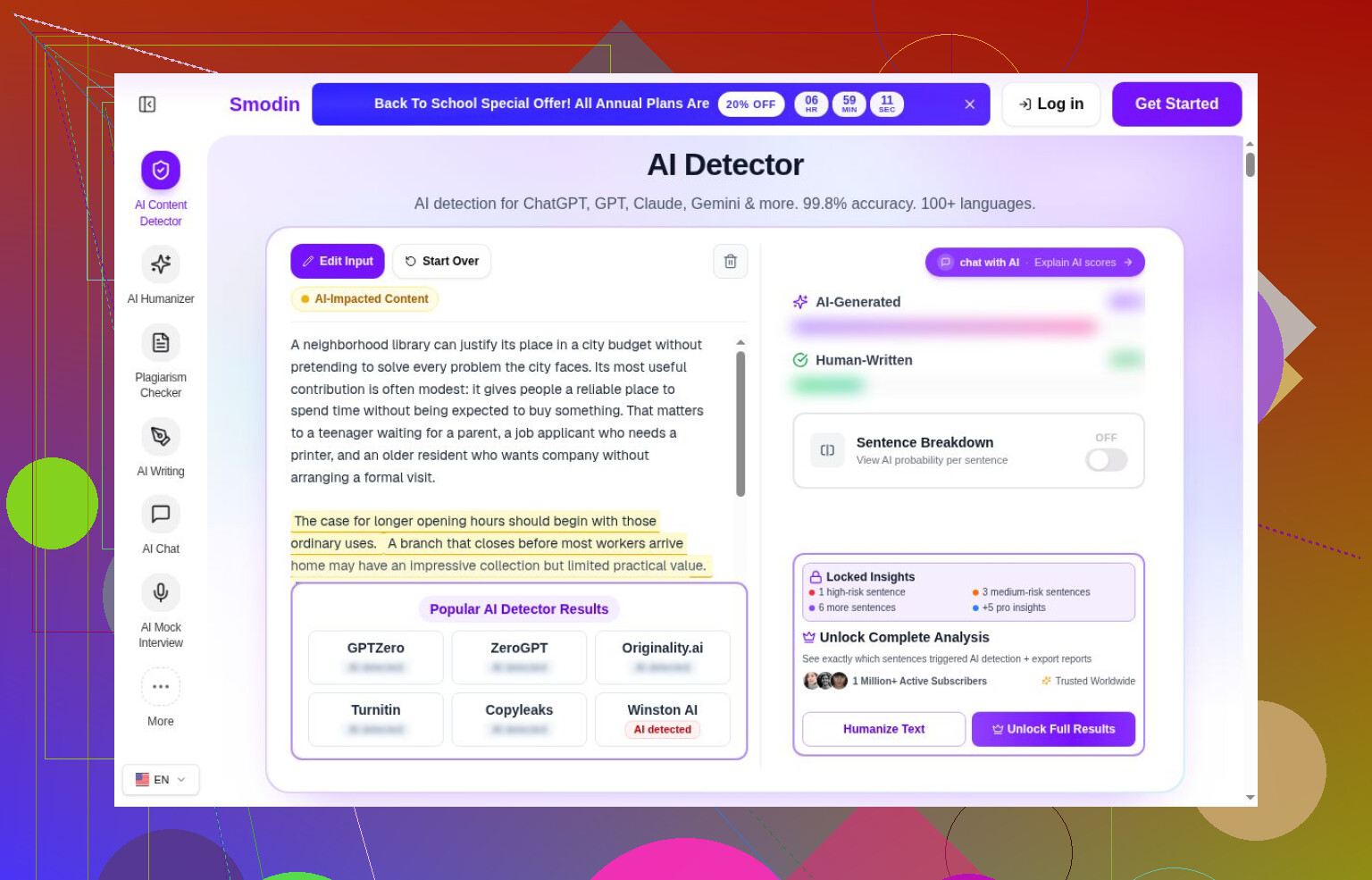
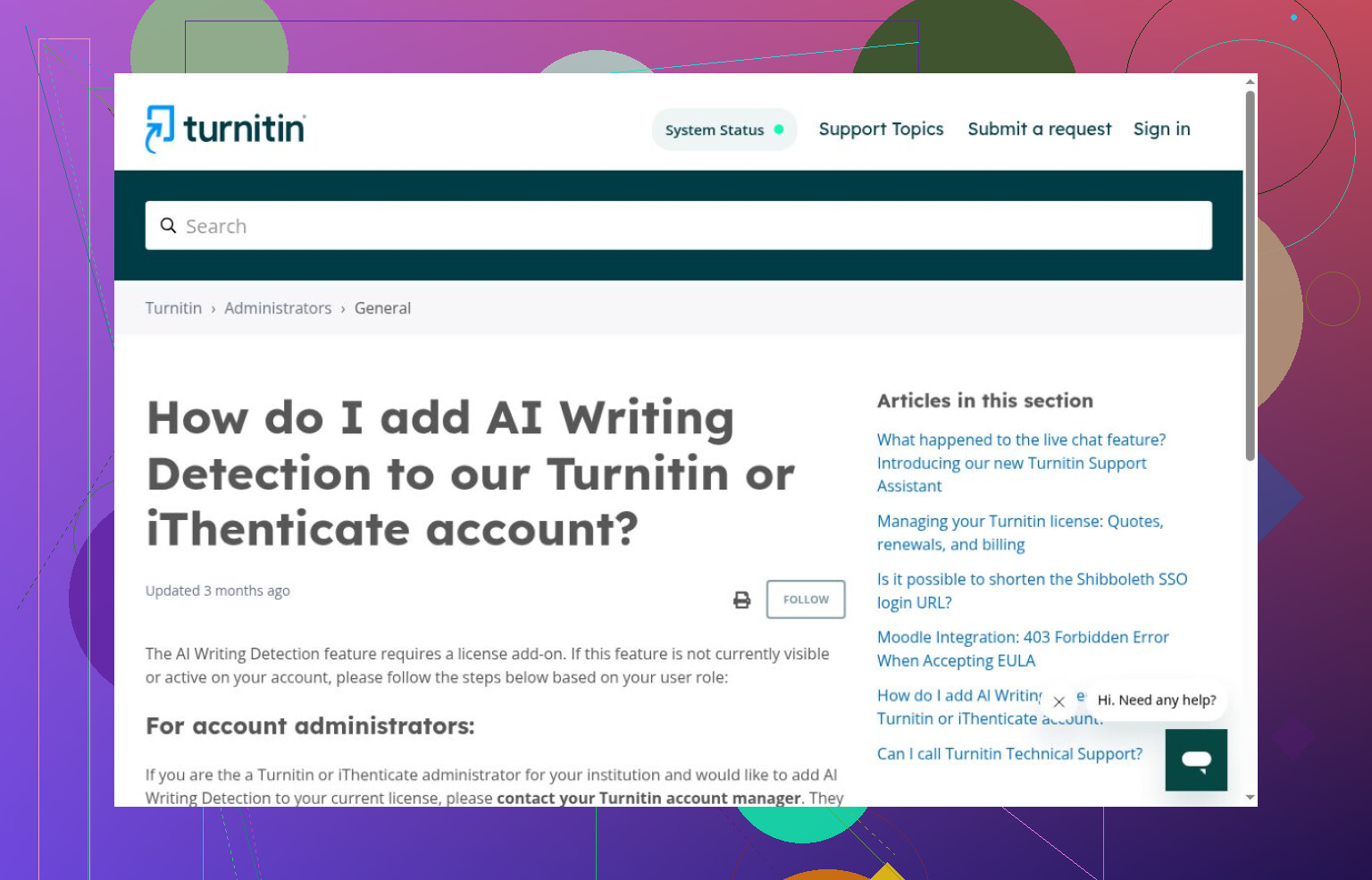
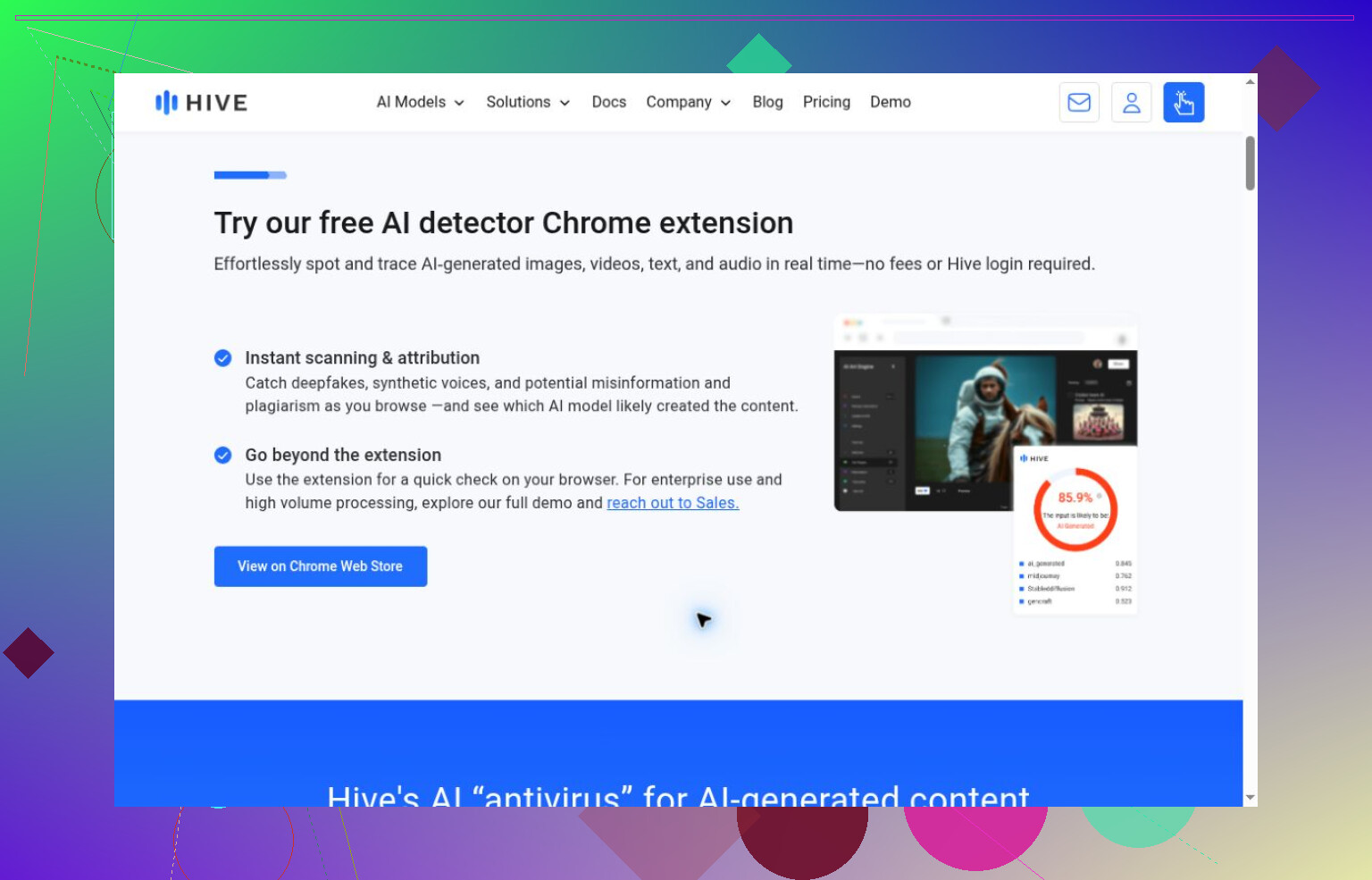
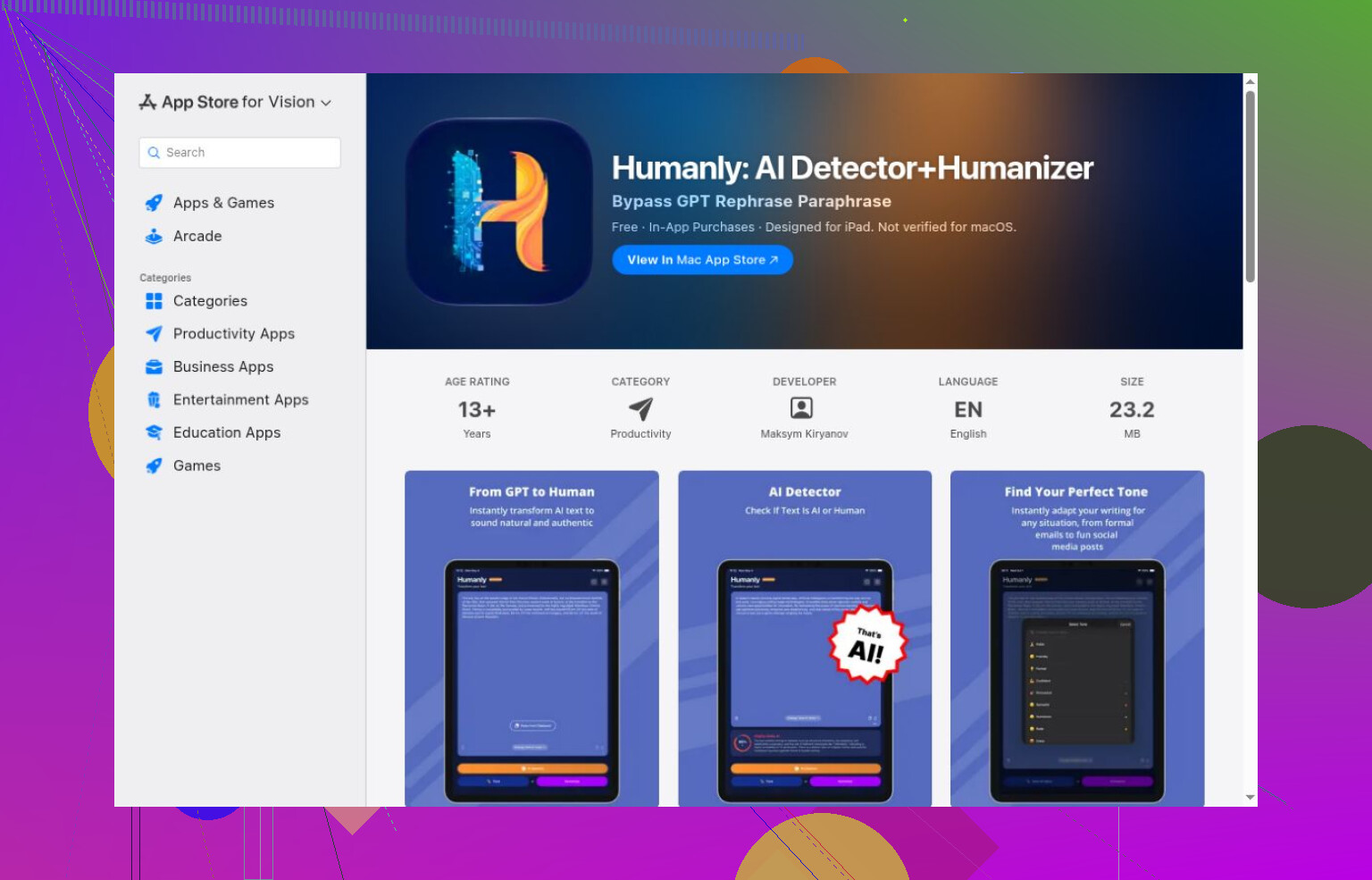
I couldn’t get readable results from Decopy or Smodin. Other routes stopped at registration, institutional access, terms, or uninstalled extensions and apps. I left those unranked rather than treating access trouble as detection failure.
By the end, I had a small comparison, not evidence for accusing anybody. Related samples and a literary human control limited what I could infer. What would you put in the next test set to make it less narrow?
The missing part is whether WriteHuman has preserved the conditions that were attached to your estimate. The retention of “probably” is not helpful much if “after we receive your approval” is gone. I would compare the entire promise including the preconditions rather than focusing on the mere presence or absence of tentative language in the rewritten version.
@panda.linux, I’d put ordinary project emails and proposal paragraphs in the next test set. Pair something like “We expect to send a draft next week, provided the assets arrive” with “We’ll send a draft next week.” That gives you a separate question to track alongside detection: did the rewrite change what the reader can reasonably expect? For this topic, that matters more to me than whether the output gets labeled human.
I would still turn to Clever Ai Detector for an additional check, but my worry is the additional revision cycle that a score could create. I would not continue to revise a functional proposal to be better. Given the change you described as occurring twice, I would leave the delivery sentence as is and edit the surrounding prose.
Watch for added scope, too: “we can discuss ongoing support” must not become “ongoing support is included.” A delivery date isn’t the only place a rewrite can quietly volunteer you for more work. Based on the changes you described, I wouldn’t give WriteHuman the whole proposal to rewrite.
@panda.linux, I’d make the next test a little less about authorship and more about reader interpretation. Include short passages with exclusions, optional extras, and tasks assigned to the client. Then have someone read only the rewritten version and list what they think they’re getting and who does what. Compare that with the original. That catches a different failure than checking whether a particular qualifier survived: the words might look close while the apparent scope changes.
For the detection side, I like Clever AI Detector’s use of a “Likely AI” label in your reported results. I’d choose that distinction over an all-or-nothing verdict. But I’d keep that column separate from the reader test, with no combined score. A proposal that sounds human and offers unpaid support has failed the useful test.
You haven’t indicated whether the changed commitment had been flagged or whether it was your responsibility to find by comparing the paragraphs. That would make a big difference in my review. A suggested edit you can reject is much less work than a clean replacement paragraph that quietly needs to be proofread against the original.
The reader test @panda.linux suggests would help evaluate the output, but I wouldn’t want that much review work attached to every proposal edit. There’s a time-saving question here. I’d count the time spent rewriting, checking with Clever AI Detector, and repairing the wording as part of the job, rather than treating the first readable output as the finish line. If a short paragraph requires a full meaning check afterward, what work did the rewrite actually save?
For your next submission, I would suggest keeping your original alongside the re-write, indicating any changes that have been made before determining whether it sounded better or worse. Thus, you would have edits that you intended to make and edits that you had to reverse. This way, you would have a concrete basis for providing feedback to me when you submit your WriteHuman review. For instance, you could say, “The prose was smoother, but reviewing and reversing the edits you made took more time than it would have taken me to simply edit the paragraph myself,” if that ended up being the case. I think you would find that much more enlightening than yet another detector review.
Keep the input fixed for the next check. Changing to simpler wording makes it harder to tell whether that change affected the result or whether you just got a different rewrite. You’ve established that neither output worked for your proposal, but there’s still a useful troubleshooting question: does the same input keep losing the same qualification?
Before expanding the test set, I’d rerun the original paragraph unchanged and save each output separately, along with any settings you used. Don’t feed a rewritten version back in. That would test a chain of edits rather than whether WriteHuman handles your original request consistently.
Then try the delivery sentence by itself, with its conditions intact. If it stays tentative alone but becomes a commitment inside the paragraph, that points toward the surrounding context affecting the rewrite. If it changes in isolation too, you have a much smaller example to send with feedback. Neither result would explain the tool’s internals, but it would narrow down the behavior you’re reporting.
I’m slightly less interested than @victor in whether the change was visibly flagged. That helps you catch it, sure. But for this task, I’d want to know whether preserving the estimate is dependable or whether an acceptable result takes repeated attempts. A version that gets it right on the next try wouldn’t erase the earlier failures.
If that proposal includes any nonpublic information about the client, I would create a test copy of it to run through the troubleshooters. The problem is not in the client description, budget details, or proposed plans that are subject to release. It is in the wording of the estimate itself. I would replace any identifying details with generic equivalents but leave all the qualifying and contextualizing language intact. Simplifying that might well simplify the symptoms.
That puts a small caveat on @0xphoenix6’s fixed-input approach: sanitize once, then hold that copy constant. A failure on the sanitized version gives you an example you can share with support or include in your review without publishing proposal material. If the failure disappears, don’t treat that as evidence that the original problem is resolved. The substitution changed the input, so you’ve only learned that the new example didn’t reproduce it. I’d rather see a review with a shareable before-and-after passage showing the changed commitment than another batch of detector scores.
If a client could ever wave this proposal back at you as a commitment, the detection angle stops mattering and this becomes a contract problem. That’s the frame I’d use. A humanizer that flips ‘probably by Friday, once approved’ into ‘by Friday’ isn’t producing a style error, it’s producing a different offer, and the reader test @mikeappsreviewer described catches that better than any score will. So I’m with the people saying don’t hand the whole proposal over.
Where I part ways a little: all the fixed-input rigor @0xphoenix6 and @silverninja7253studi are chasing is great for filing a clean bug report, but you’re a freelancer trying to send a proposal, not a QA team. If the tool keeps dropping qualifiers, the practical answer is just stop running the binding sentences through it. Rewrite the warmth-and-tone parts, type the delivery terms yourself, done.
On the detector itself, the thing that stood out in @panda.linux’s run was that Clever AI Detector left the Carroll passage sitting at human while a couple of others screamed AI at a 150-year-old book. Not tripping on literary prose is a low bar that a lot of these fail, so credit where it’s due.
Keeping the delivery terms untouched should reduce the checking, but it won’t eliminate it. The catch with @zerologic9529’s approach is that the “warmth-and-tone” sections can make promises of their own. A closing line like “You can count on everything being ready for launch” would clash with a carefully qualified estimate, even if that estimate survived unchanged. I’d keep the limited-edit approach, but check any new reassurances against the delivery terms before sending. Friendly wording still needs to say something you actually mean.
The quieter cost nobody’s naming is anchoring. Once you’ve read the smooth rewrite, your own careful original starts to feel clumsy, and you catch yourself editing from the tool’s version instead of yours. That’s part of how a qualifier vanishes twice. The firmer sentence just sits better on the page, so even after you spot it, you half talk yourself into keeping it. Keep the original open in a separate window and do your editing there, not in the box you pasted the rewrite into.
@zerologic9529 is right that this is a contract problem before it’s a style one, and that’s the framing I’d hold onto. A client who later waves your proposal back at you doesn’t care that a humanizer dropped a word. They care what the sentence now says they’re owed. So type the delivery terms and anything about money yourself, and don’t let a rewrite touch them.
Where I’d push back is the little pat on the back for leaving Carroll untouched. Not flagging a famous old book isn’t much of a win for this job, because nobody’s feeding Lewis Carroll into a proposal workflow. For what you’re actually doing, Clever AI Detector earns its spot somewhere else: run it only over the tone paragraphs you did put through WriteHuman, to confirm those didn’t come out reading synthetic, and keep the binding sentences out of both tools entirely. Scope the check to the rewritten parts and skip the rest.
The point @adminmaster raised is the one I’d weight highest. A warm closing line can make a promise the delivery section never did. Something like ‘you can count on everything being ready’ quietly overrides a careful estimate without ever touching the estimate. So the manual read isn’t just the date sentence. It’s every sentence that sounds like reassurance.
My rule is plainer than the full reader test people are assembling. Rewrite tone only, read each sentence that could be quoted back at you, and if a line commits you to something you didn’t mean, cut it before you even think about whether it sounds human. A proposal that reads slightly stiff but says exactly what you’ll do beats a friendly one that volunteers you for extra work.