I accidentally deleted footage from my GoPro before backing it up, and I’m trying to figure out if there’s any way to recover the files. These videos are really important, and I need advice on the best GoPro recovery methods, software, or steps to take before the data is overwritten.
I’ve been there, and yeah, it sucks. You get home, plug in the GoPro, and the clips you cared about are missing. If the footage was deleted or the card got formatted, there’s still a fair shot at recovery. What you do next matters more than most people think.
## First thing, stop touching the cardIf you want the best odds, stop using the SD card right away.
Don’t shoot more video on it. Don’t reformat it again. Don’t run random “fix” tools you found in a search result. In a lot of cases, the video data is still sitting there. The problem is the index is gone, not the footage itself. Once new data lands on top of it, you lose chunks for good.
Before running recovery software, I’d check the boring stuff first because sometimes the answer is dumb and easy:
- Log into your GoPro cloud account if you use the subscription and had Auto Upload turned on.
- Check Trash or Recently Deleted.
- Put the card back in the camera and see if the GoPro tries to repair the file on its own.
- Try a different card reader, another USB port, or a second computer.
- See if the SD card shows up in Disk Management on Windows or Disk Utility on macOS.
If the card never shows up, keeps dropping connection, or looks physically damaged, I’d stop there. That stops being a normal deletion case and starts looking like hardware failure. Different problem, different fix.
## Why GoPro recovery is more annoying than photo recoveryThis part catches people off guard. Recovering camera video is often harder than pulling back photos or office files.
GoPro footage gets written in pieces across the card. So when the file system is damaged or wiped, the recovery app has to rebuild the clip from scattered parts. A lot of tools will find an MP4 name and still hand you a broken file that stutters, cuts off, or won’t open at all. I saw this more than once on action cam cards and drone cards. Same mess.
## What I’d try firstFor deleted, formatted, or logically corrupted GoPro cards, I’d start with Disk Drill.
The reason is simple. Its Advanced Camera Recovery mode was built for footage from devices like GoPros, drones, and dash cams, where file fragmentation is a pain. It traces back to the older GoProRecovery and CnW Recovery tools people used to pass around for this exact job. Those methods ended up folded into Disk Drill, and from what I’ve seen, it handles chopped-up video better than generic file recovery scans.
## Steps I’d follow on Windows or Mac- Take the SD card out of the GoPro.
- Connect it straight to your computer with a card reader.
- Open Disk Drill.
- Select the SD card.
- Pick Advanced Camera Recovery.
- Run the scan.
- Preview the videos it finds.
- Recover the files to a different drive.
Important bit, save recovered files somewhere else. Not back onto the same card. I know thsi sounds obvious, but people still do it.
The preview feature helps a lot. If a clip previews cleanly before recovery, your odds are better. If the card throws read errors or disconnects during scanning, I’d make a byte-to-byte backup first and scan the backup instead. Less wear on the original card, less risk.
On Mac, same flow. Card reader, open the app, scan, preview, restore to another drive or folder.
## When I’d stop messing with softwareSome cases are bad bets for DIY recovery. If any of these are happening, I’d lean toward a recovery lab:
- The SD card has physical damage.
- No computer recognizes it at all.
- It disconnects over and over during scans.
- It gets hot fast.
- The footage matters enough that you don’t want trial and error.
I learned the hard way that repeated scan attempts on a failing card are not harmless. If the card is unstable, every extra read is a gamble.
## Best-case scenarioIf this was a plain delete or format job, those are usually the cleaner cases. Recovery odds drop when the card kept being used after the footage vanished. If it sat mostly untouched, there’s still a decent chance your videos are recoverable.
If the footage matters, make an image of the SD card first. I differ a bit from @mikeappsreviewer there. Scanning the original card right away is fine for a healthy card, but imaging first gives you one clean working copy and keeps wear off the source. On Windows, use USB Image Tool or HDD Raw Copy. On Mac, use dd or a GUI imager if you prefer less terminal pain.
After that, work from the image, not the card.
For GoPro clips, file carving works better than name-based recovery. MP4 and LRV files often lose folder info, but the video blocks stay on the card until overwritten. That is why generic undelete tools miss stuff or return broken clips. Disk Drill is a solid pick here, mostly because its camera-focused scan handles fragmented action cam footage better than a lot of old-school recovery apps.
A couple more things people skip:
1. Check for .LRV and .THM files. If you find those, the main MP4 often existed and parts of it may still be recoverable.
2. Sort found files by size. Big contiguous files have better playback odds.
3. If a recovered MP4 won’t open, try repairing it with a video repair tool using another clip from the same GoPro model and settings as a reference.
4. If the card was quick-formatted, recovery odds are still decent. Full format is worse.
If you want a decent overview of SD card tools, this is worth a look:
top SD card video recovery software for deleted GoPro files
Short version. Stop using the card. Clone it. Scan the clone with Disk Drill. Recover to another drive. If the card drops offline or throws read errs, stop messsing with it and send it to a lab.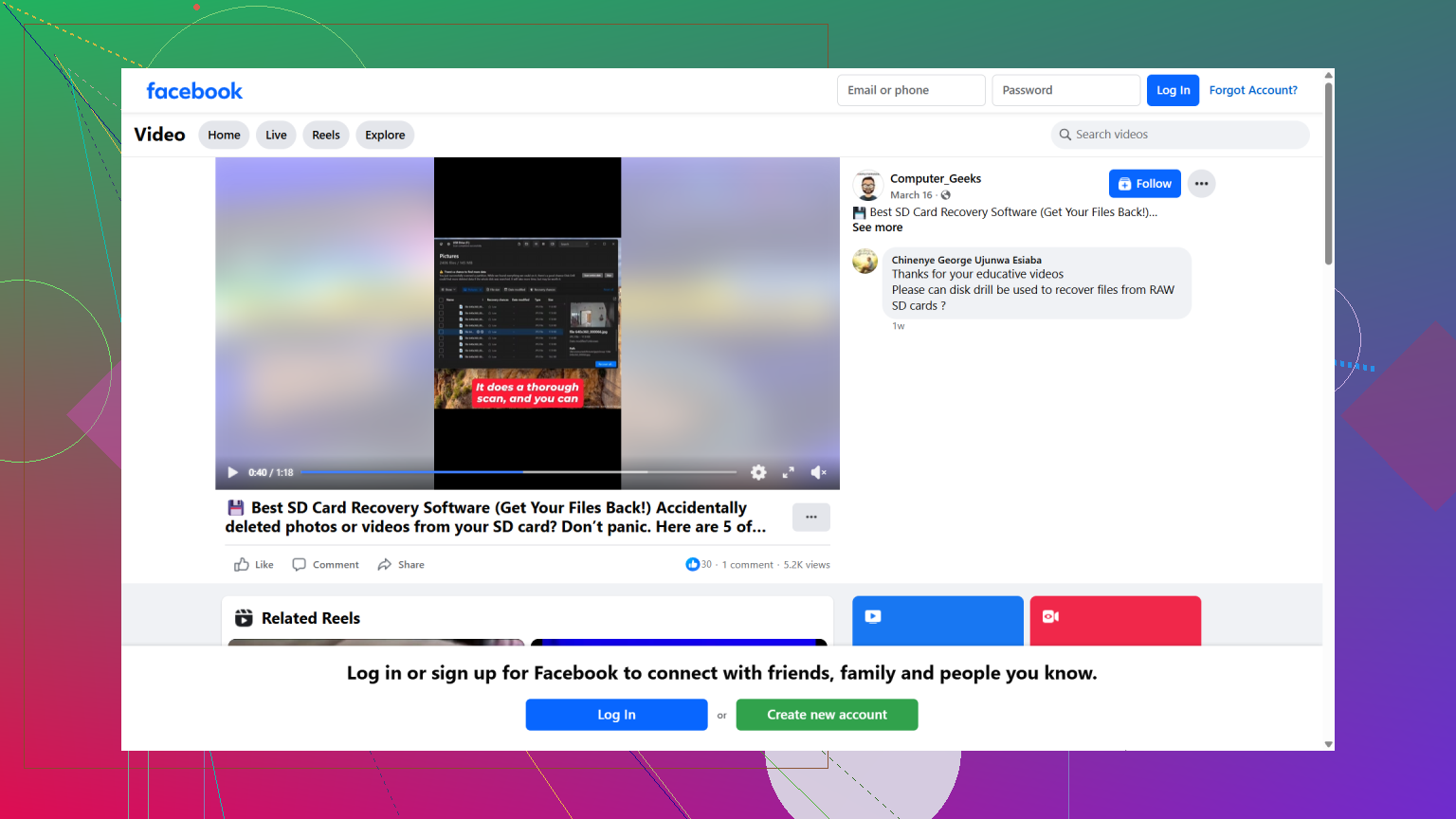
I’d add one thing to what @mikeappsreviewer and @reveurdenuit said: check whether the footage was deleted in-camera or on a computer. That actually changes recovery odds a bit. GoPro sometimes leaves the card structure cleaner after simple deletes than after weird desktop copy interruptions, where you can end up with half-written indexes and clips that look present but won’t mount right.
Also, I slightly disagree with the “always try the camera to repair it” advice. If the files are super important, I would not keep reinserting the card and letting the GoPro “do stuff” unless you already confirmed the card is stable. Cameras can be kinda dumb about flaky media.
What I’d do beyond the usual scan advice:
1. Check the card’s real capacity and health with something like H2testw or F3 if you suspect a fake or failing microSD.
2. If recovered files are unplayable, inspect them with MediaInfo or ffprobe before assuming they’re junk.
3. Try salvaging raw streams with untrunc or a dedicated MP4 repair app using another sample clip from the same GoPro settings.
4. Watch for split chapter files. GoPro often breaks long recordings into chunks, so “missing” footage may just be sitting under another filename.
Disk Drill is still a sensible choice here, esp for GoPro video recovery, but I’d treat recovery and repair as two seperate jobs. First get the bytes back, then fix playback if needed.
If you want more real-world discussion, this thread is decent:
best Reddit advice for recovering deleted GoPro and SD card videos
Main thing: stop using the card. Every new clip is basically a tiny funeral for the old one.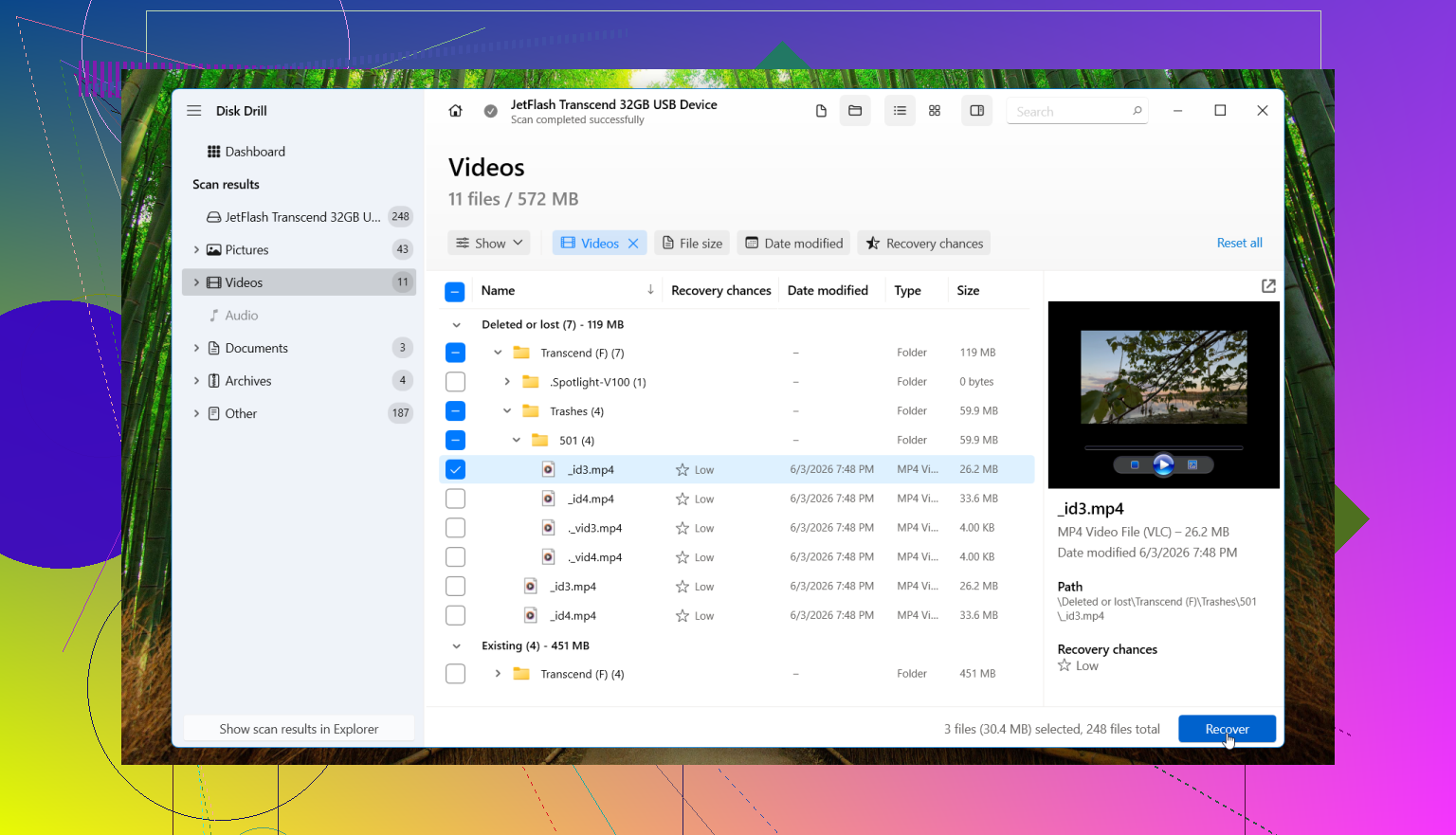
One extra angle nobody’s really stressed enough: check whether the card is exFAT or FAT32 and whether your GoPro was recording in chaptered files. I slightly disagree with the “biggest files are always the best sign” idea. With GoPro, a smaller recovered chapter clip can be perfectly intact while the big one is the damaged piece.
What I’d do after imaging or before a long scan:
- Open the card or image in a hex viewer and search for `ftypmp42`, `mdat`, or `moov`
- If `mdat` exists but `moov` is missing, the video data may be there and repairable
- If you see lots of zeroed areas, overwrite already happened
That matters because recovery and playback are not the same problem.
On software, Disk Drill is a fair pick for GoPro footage.
Pros:
- Good with camera media
- Simple preview workflow
- Works on both Windows and Mac
Cons:
- Deep scans can take a while
- Results can be messy if the card was reused
- Sometimes you still need a separate MP4 repair tool afterward
Also worth remembering what @reveurdenuit, @viajantedoceu, and @mikeappsreviewer were circling around: if the card reads inconsistently, stop DIY. Logical deletion is recoverable. Electrical weirdness is where people make it worse fast.